
楚汉骄雄
American teacher takes jar of sand as symbol of shared ground in forest he helped grow in China_我的网站

一 | 在雄安新区启动区综合服务中心,疏解人员及家属围在巨型沙盘前,了解未来之城如何从蓝图变为实景;在中央绿谷城苑轩,疏解人员及家属感受“绿廊穿城、步移景异”的美好生态;在白洋淀燕南堤,有人凭栏远眺、欣赏美景,有人举起手机,把旖旎风光收进取景框……8月15日,第11期“周末看雄安”活动举行,中国银行股份有限公司雄安分行的50余名疏解职工及家属沉浸式了解未来之城的建设成果和生态底色,感受这座城市的独特魅力。

二 |
8月15日,第11期“周末看雄安”活动举行。图为疏解人员及家属在雄安新区启动区综合服务中心参观,了解启动区规划建设情况。
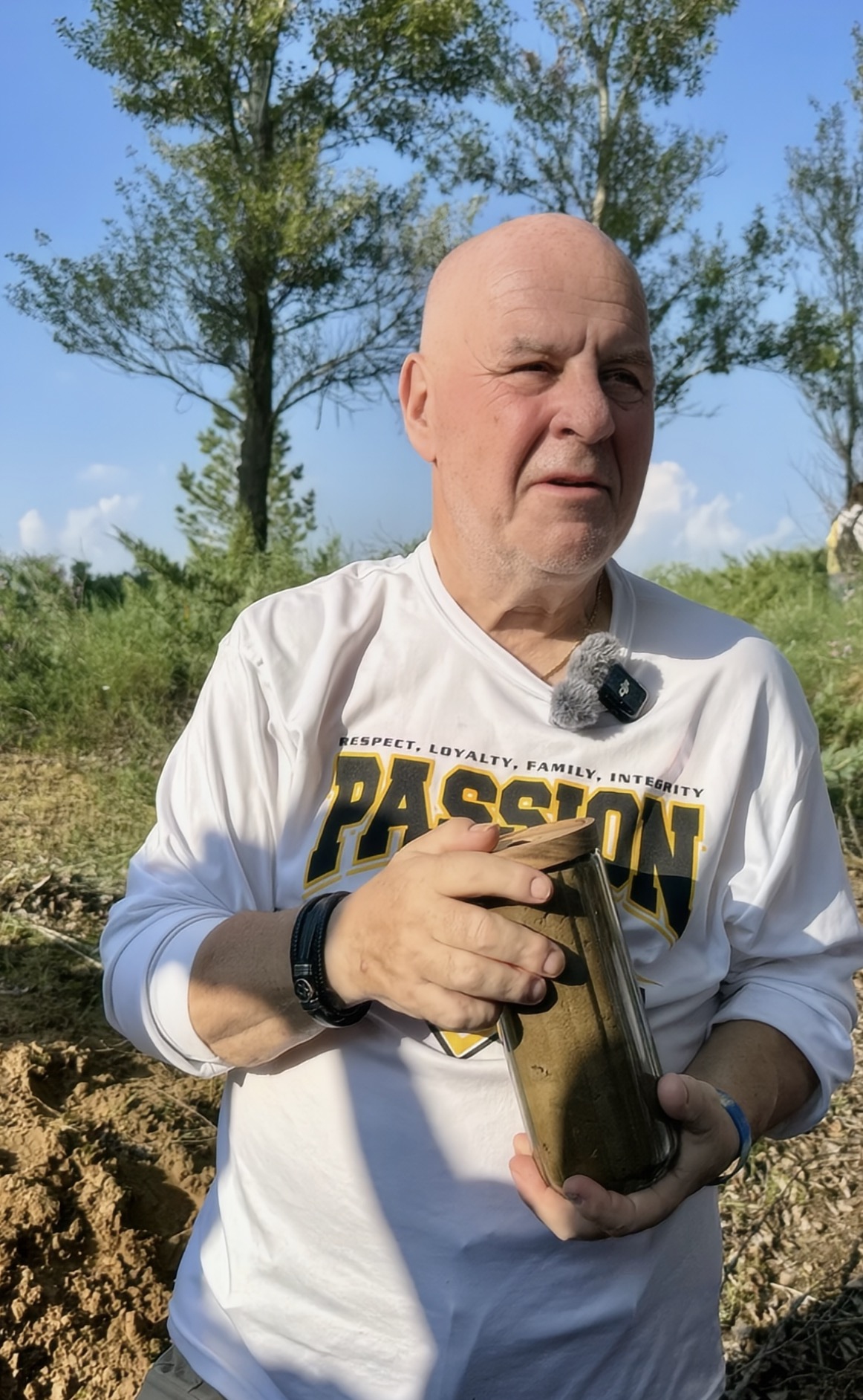
On Monday afternoon, Ronald Sakolsky, an American teacher, set foot once again on the soil of the Mu Us Desert, in the Uxin Banner of Ordos, North China’s Inner Mongolia Autonomous Region. He first came here in 2000. Back then, the land was little more than drifting sand. Today, it is green with trees – a transformation driven by decades of local effort.
He stood within Sakolsky Forest, a woodland formally named to honor his early donation toward local ecological restoration. There, he carried out a plan he had held long before this trip: filling a jar with sand from the desert to bring home to the US.
More than two decades ago, sand was the one thing this place had in abundance. In 1999, when Sakolsky arrived in China as a participant in a bilateral teacher exchange program, he was moved by the tireless efforts of Chinese desert fighter Yin Yuzhen and her husband to curb desertification in the Mu Us Desert. He raised $5,000 – equivalent in 1999 to three years of income for Yin’s entire family – to fund their local tree-planting initiative.
The young saplings bought with that donation have since matured into more than 50,000 full-grown trees, transforming the once desolate, sandy wasteland into a thriving green landscape.
When Sakolsky met Yin at the airport on Sunday, 26 years after his first visit to Inner Mongolia, he joked that he could not take a tree from the Mu Us Desert, but he could slip some sand into his shoes and carry a piece of the land back with him. Now, he had found exactly the sand he wanted – not just any sand, but from a place where persistence had turned desert into life, and where his own name had become part of that story.
“Promise is a promise,” he said. “Ms. Yin made a promise, and she fulfilled it.”
For Sakolsky, the sand is not just dirt. It is a metaphor, a bridge, a shared ground. He plans to tell his grandchildren what it means. “It’s not just a piece of sand in the jar,” he said. “It’s a jar of love.”
He used the jar of sand to symbolize that America and China share a relationship rooted in the same soil. He shook the jar, holding its two ends as if they were the two countries, and said that it shows we’re all on the same planet.
There is an old American joke, he noted, that if you dig a hole deep enough, you will eventually reach China. “We’re all on the same planet,” he said.
Earlier that day, while visiting Yin’s home, he spoke about the need for Americans and Chinese to see each other as family. “All Americans should understand that Chinese people and Americans can be family,” he said. “We can transcend differences if we focus on our common ground. We all love our countries, and we all value loyalty and respect – these are the shared virtues we hold dear.”
As for the sand he collected, Sakolsky said he would treat it as a treasure, alongside all his other precious keepsakes from China. He expects to display it in his living room – a daily reminder of the forest that carries his name and the people who made it grow.
。日报记者 康晓博摄把疏解人员的“小家”请进来,让城市的模样留在心里。今年4月起,雄安新区接待服务中心、雄安新区综合服务中心联合开展“周末看雄安”活动,组织疏解人员及家属通过实地参观了解新区规划、建设和发展成果,促使疏解人员从“周末回北京”变为“家人来雄安”。“我们组织开展‘周末看雄安’活动,就是立足接待服务职能,主动融入服务疏解工作大局,创新工作思路和举措,把服务触角延伸到疏解人员家庭,让疏解人员扎根新区沃土安心工作、舒心生活、放心发展。

三 | ”雄安新区接待服务中心副主任魏建新说。为了让疏解人员及家属更充分地了解雄安,活动精心设计了两条常态化参观路线:一条打开“建设之门”,从雄安规划展示中心,到雄安城市计算中心,再到雄安城市广场及国贸中心项目现场,看一张蓝图怎样变为壮阔实景;另一条打开“生态之门”,从启动区综合服务中心,到中央绿谷城苑轩,再到白洋淀燕南堤,深入感受新区蓝绿交织的生态底色和宜业宜居的美好环境。“儿子在新区过得好不好,以前只是听他自己说,没亲眼看过。这次参加活动,看到密集的公园绿地、现代化的办公楼、完善的生活配套,心里一下子踏实了。”通过参加第11期活动,刘增杰不仅对儿子的工作和生活放下心来,而且被新区美好的自然生态打动,决定退休后来新区生活。
8月15日,第11期“周末看雄安”活动举行。图为疏解人员及家属在雄安新区启动区综合服务中心参观,了解启动区规划建设情况。

四 | 日报记者 康晓博摄不仅有常态化参观路线,活动还根据疏解单位需求,为其量身定制个性化路线。第7期活动中,为满足中国矿产资源集团大数据公司的党建需求,活动在常规参观路线中增加白洋淀雁翎队纪念馆点位,让红色教育与城市体验同频共振;第8期活动中,针对五矿中亚南亚资源(雄安)有限公司新入职员工数量多的情况,活动变为“入职第一课”,帮助新入职员工在参观中找到个人成长与城市发展的契合点……一场场量身定制的活动,让不同的参观群体找到共鸣,不仅增强了活动的吸引力,更拉近了疏解人员及家属与未来之城的距离。秉持热心、细心、贴心、舒心的“四心”疏解服务理念,主办方在开展活动时,力求将每一个细节做好——每期活动都安排讲解员随车介绍,随时解答疏解人员及家属的提问;重要点位提前准备饮用水、防暑用品等;遇到高温天或下雨天,室外行程及时调整为室内备选点位……事事有回应,处处有考量,绘就活动的暖心底色。“渴了给我们送水,下雨了给我们递伞,主办方的安排和服务非常贴心,让我们对来雄安生活充满期待。”疏解人员家属王秀芬说。看的是拔节生长的城市,聚的是扎根生活的归属感。截至目前,“周末看雄安”活动已举办11期,覆盖16家疏解单位,吸引480人次参与。通过一次次“看”,变化正悄然发生——越来越多疏解人员家属周末来雄安团聚,“回北京”的车票渐渐变成“来雄安”的行李箱。

五 | “我们将持续拓宽‘周末看雄安’活动覆盖范围,优化活动组织方式,增设问卷调查环节,认真收集疏解人员及家属的诉求建议,并以活动为契机与疏解单位建立深入长效的沟通交流机制,不断提升疏解人员及家属的体验感和满意度,为新区高标准高质量建设现代化城市凝聚合力。”雄安新区综合服务中心主任韩德强说。(日报记者 康晓博)。
Current article:http://www.lindunfokangliucishirun.shop/d3d11n/20260826/4038.html
Published on:13:21:55
- 掘金全员推动招募德罗赞 戈登杜德利为主要说客
- What are the rules of war? And how do they apply to Israel's actions in Gaza?
- 赛摩智能:公司本次计提资产减值准备约559万元
- 配置升级 2026款MG5/MG Cyberster将于6月30日上市
- 女子感冒医院输错药身亡?官方回应:已介入调查
- 市总工会走访慰问防汛一线职工
- 微软Swiftkey输入法Android版本更新:三种新语言,集成必应搜索
- 【习声回响·聆听温暖中国】“绿我涓滴 会它千顷澄碧”
- US Senate Wants Turkey to Cut Off Ties With Russia in Order to Buy F-16 Jets, Reports Say
- 一汽/东风/广汽等车企宣布:对供应商支付账期统一至60天内
- 统一股份:上半年净利润6936.1万元,同比增长106.76%
- 新三板基础层公司斯特龙大宗交易溢价5.26%,成交金额57.37万元
- 天马独供拯救者Y700无极OLED屏:柔性平板首发165Hz多档智能切换
- IT早报 0826:余承东官宣华为新三折叠手机;高通第六代骁龙 8 旗舰 CPU 主频破 5GHz;6999 元起苹果全新 Mac mini 发布;自动驾驶违法由车企担责首次明确...
- 里奇·保罗:克莱加盟热火后 热火将成东部争冠大热
- ESPN评施罗德互换交易:黄蜂补强控卫仅评级B-
- 18号海南封关在即,A股谁受益?| 1215 张博划重点
- Wayne Brown猛烈抨击新政府,称其用“荒谬”的规定打压奥克兰
- 两位老人被质疑从自助餐店带出食物,一怒之下倒空背包自证清白,事发时有人举报一桌顾客将四瓶酒和水果放入包中,餐厅:已批评涉事店员
- 上下纵横,澳门前行——澳门特区行政长官岑浩辉解读“三五”规划