
文明之旅两网“十五五”规划出炉 新型电力系统建设进入落地期_我的网站
一 | 两大电网企业“十五五”路线图同步明确,新型电力系统建设正式进入工程与市场落地期。 8月25日,国家电网有限公司(下称国家电网)发布《助力国家“十五五”碳达峰目标实现若干举措》;同日,中国南方电网有限责任公司(下称南方电网)披露“十五五”新型电力系统发展规划路线图。 国家电网提出,“十五五”经营区年均新增新能源装机2亿千瓦左右,并表示要加快推进新增用电量由新增清洁能源电量覆盖,2030年经营区新能源发电量占比达到30%以上。 南方电网明确,“十五五”南方区域新能源新增装机2.3亿千瓦,2030年达到5亿千瓦、新能源装机占比达50%,非化石能源电量占比64%。
二 | 按国家电网年均2亿千瓦新增装机测算,两网“十五五”新增新能源装机合计超过12亿千瓦,这相当于当前新能源累计装机的八成。 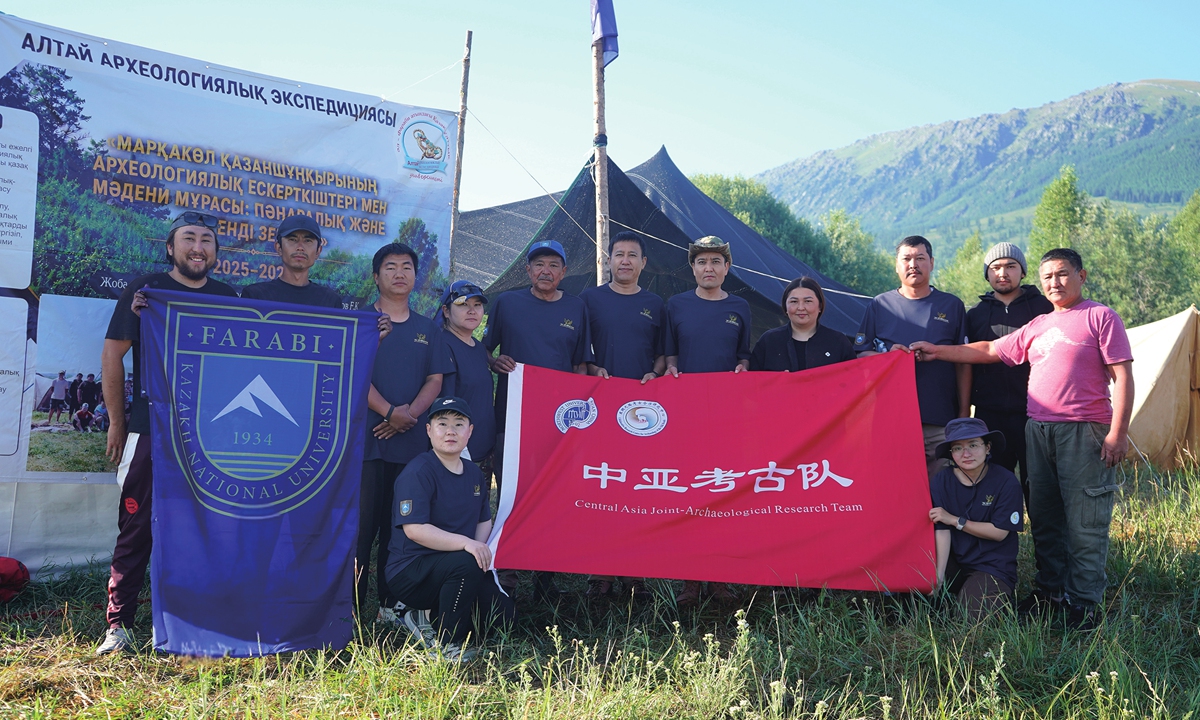 China is set to launch its first joint archaeological project in South America, following an agreement between Chinese and Peruvian institutions to study the ancient Caral civilization. The move marks a new milestone in the country's growing overseas archaeological cooperation. The Institute of Archaeology of the Chinese Academy of Social Sciences, Peru's Caral Archaeological Zone under the Ministry of Culture, and the Professional School of Archaeology at the National University of San Marcos signed a cooperation agreement on Saturday to conduct research on the ancient Caral civilization. The Caral civilization, which is considered to be the oldest civilization discovered in the Americas, emerged along Peru's northern coast and dates to around 3000 BC to about 1800 BC. The project marks China's first joint archaeological initiative in South America, expanding its overseas archaeological footprint to four continents: Asia, Africa, Europe and South America. It also encompasses cooperation with Belt and Road partner countries, major centers of ancient civilizations and regions crucial to the study of human origins. For Chinese archaeologists, the project represents a new step in overseas archaeological engagement and international cooperation, fostering mutual learning and dialogue among civilizations, Chinese experts said. Cooperation beyond borders In recent years, Chinese institutions have participated in a series of overseas archaeological projects, from exploring ancient cities along the Silk Road to studying early civilizations in Africa and Central Asia. They not only brought Chinese expertise and talent, but also advanced Chinese technologies, equipment and solutions, experts said. In February, a significant archaeological breakthrough has emerged from Mit Rahina in Giza, the site of ancient Memphis in Egypt, where a joint Chinese-Egyptian mission has uncovered a limestone structure believed to be connected to the temple of King Pharaoh Apries from Egypt's 26th Dynasty (664-525 BC), according to the Xinhua News Agency. Zhang Hai, head of the Chinese team and an archaeologist from Peking University, told the Global Times in a previous interview that the Chinese contingent applied distinctive methods for documenting and recording finds, while deploying Chinese-developed technologies such as the "4D kankan Meta" 3D scanner for precise, real-time topographic and sectional modeling, plus specialized software for capturing dislocated stone elements in 3D to aid future digital restoration and preservation. In the latest China-Kazakhstan joint archaeological project, Chinese equipment and technologies played an important role in the team's discoveries. Building on the excavation, the archaeological team used drones and the "I Survey" mobile field documentation system to conduct systematic surveys around the excavation area. The survey covered more than 10 burial grounds and documented more than 50 Pazyryk-era tombs. Pazyryk culture flourished from the late sixth century BC to the third century BC, Shao Huiqiu, a professor at the Collaborative Research Center for Archaeology of the Silk Roads, Northwest University, told the Global Times. According to Shao, who is the Chinese lead for the China-Kazakhstan joint archaeological project, none of the tombs had previously undergone formal excavation, giving them significant research potential. The use of these technologies has enabled the team to carry out more efficient and comprehensive surveys of the area, During the China-Kazakhstan joint archaeological project, archaeologists have recovered a number of important artifacts, including human remains, pottery, gold foil pieces, horse bones and iron horse equipment. The finds have provide valuable material evidence for studying the burial practices, funerary customs and material culture of the Pazyryk culture in the Lake Markakol region, said Shao. Researchers also conducted regional surveys around the excavation area, documenting more than 50 Pazyryk-era tombs. Through the joint archaeological project, China and Kazakhstan have gained a deeper understanding of Bronze Age to Early Iron Age archaeological remains in the Lake Markakol basin, according to Shao. In 2027, the two sides will continue excavations at key sites and burial grounds identified during the survey, while advancing regional archaeological investigations, data analysis, multidisciplinary research, young archaeologist training and academic exchanges. 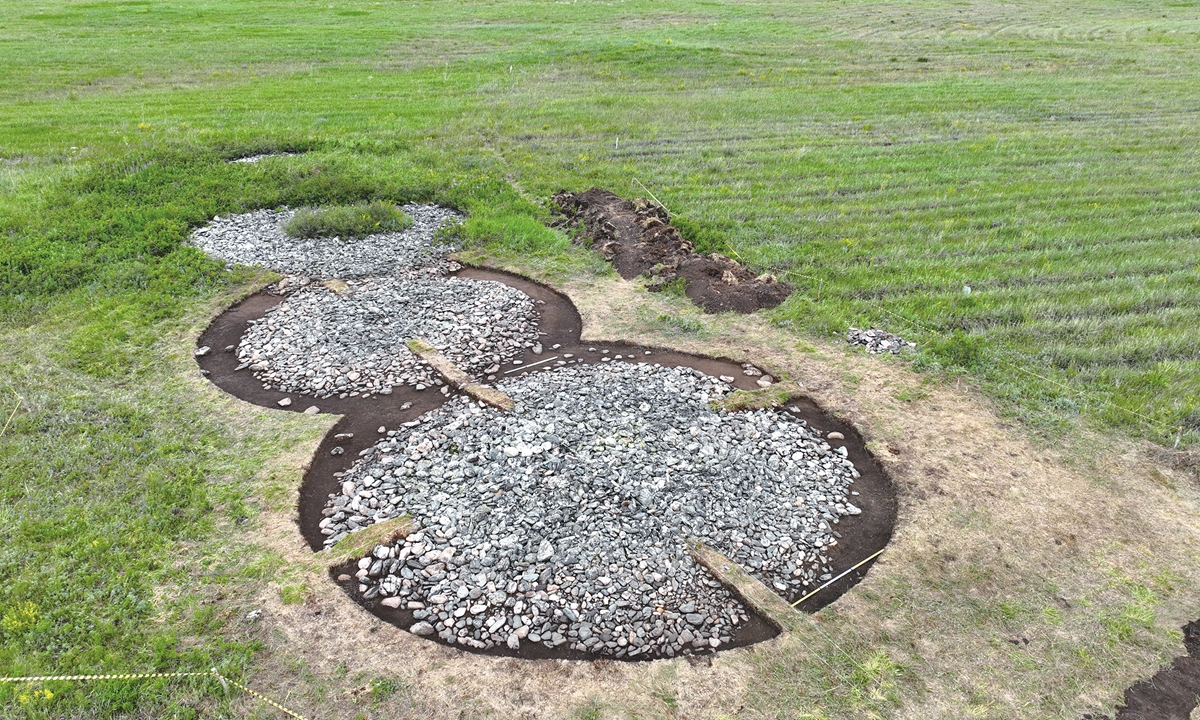 Archaeological exchanges China's overseas archaeological cooperation has also become a platform for broader exchanges among researchers and civilizations. Such projects, experts say, are helping expand archaeological research beyond national borders and provide new perspectives on exchanges among ancient civilizations. China's overseas archaeology has grown alongside its broader participation in global cultural heritage protection. The National Cultural Heritage Administration's cultural heritage development plan through 2030 calls for expanded archaeological cooperation in Austronesian-speaking regions, trans-Himalayan areas, and routes connected to the Silk Road and Maritime Silk Road, reported Xinhua. The plan seeks to strengthen the methods used to trace Chinese cultural artifacts overseas, and advance efforts to retrieve lost cultural relics. It also pushes for greater Chinese participation in global cultural heritage governance and expanded international partnerships, including new protection cooperation agreements with more countries worldwide, according to Xinhua. In these joint collaborations, researchers from different countries bring together their expertise in regional archaeology and fieldwork, conducting exchanges on archaeological surveys, excavations, multidisciplinary research and regional cultural studies. Such cooperation has strengthened mutual learning and laid a foundation for long-term partnerships, according to Shao. The China-Uzbekistan cooperation has established research centers in Samarkand and Termez to support studies on human-environment interactions and cultural heritage. The initiative has also trained professionals in Silk Road archaeology, scientific research and heritage conservation through programs for Uzbek universities and research institutions, while promoting international academic exchanges to advance Silk Road heritage protection and cultural cooperation, noted Zhu Jiangsong, a member of the China-Uzbekistan joint archaeological team from the School of Cultural Heritage, Northwest University. Through these partnerships, Chinese archaeologists are not only contributing technology, research experience and training, but also gaining first-hand materials and fresh perspectives that help advance the study of ancient civilizations and enrich China's archaeological research. 。 截至2025年底,全国新能源累计装机量为14.6亿千瓦。 在网架补强方面,国家电网计划,“十五五”将新投产跨区直流15回,跨省区输电能力达5亿千瓦。“十四五”末,这一能力为3.7亿千瓦,五年间多出约1.3亿千瓦跨省送电能力,增幅约35%。 同时,国家电网将推进华中-南方、华中-华东等省间电力互济工程建设,跨区灵活互济能力较“十四五”末扩大两倍以上,华北、华东、华中和西南特高压交流电网规模翻一番,西北、东北省间联络整体加强。 配电网方面,国家电网将持续提升电网对分布式电源接纳承载能力,满足年均6000万千瓦以上新增分布式电源接网需要。提升新型主体与电网高效互动能力,推进农村能源革命试点,建设一批县域有源配电网、村镇级微电网、末端保供型微电网示范工程,协同推进工业绿色微电网发展,促进新能源就地高效利用。 国家电网还提出,推动国家和地方、电源与电网规划衔接,全力保障沙戈荒大基地、分布式、海上风电等新能源“应并尽并”。 此外,滚动开展新能源消纳能力测算,服务地方主管部门优化新能源发展规模、布局和时序,合理设置利用率目标。支持存量水电站增容改造和设备更新,推动核电和灵活调峰气电有序发展。 南方电网未提及具体的电网工程建设规划,但明确通过“内促外引”,对内引导各地提升利用率,对外引入藏粤、青桂等区外清洁电力,形成稳定的绿电输入格局。 安全充裕方面,南方电网提出,到2030年,全面消除A类大面积停电风险县域,“十五五”将新增投产支撑保障电源8800万千瓦、构网型装备突破600万千瓦,建成云南高海拔复杂大电网构网型技术实证基地,进一步解决新能源随机性强带来的安全隐患。 为完善促进清洁能源发展市场机制,国家电网称,将有序推动气、水、核等电源参与市场,推广沙戈荒大基地“联营不联运”模式,公平无歧视服务新型主体入市,提升通道输送清洁能源电量比例,推动发用两侧报量报价参与现货交易,通过充分竞争促进清洁能源消纳。 此外,扩大以绿电方式落实省间新能源优先发电规模计划,2030年经营区绿电绿证交易规模达到8000亿千瓦时。 国家电网还首次为煤电灵活性设定了量化目标:2030年经营区煤电平均最小发电出力达35%额定负荷,推动煤电由电量主体转向调节容量。 在市场机制方面,南方电网表示,2030年市场化交易电量占比超70%,构建现货、中长期、辅助服务和容量市场有机衔接的统一电力市场体系,推动风电、光伏全面参与市场交易,煤电、气电上网电价向“容量补偿+市场电量电价”转变。
三 | 储能也是两大电网“十五五”期间的工作重点。 国家电网提出加快新疆哈密、吉林安图等一批抽蓄电站建设和前期工作,“十五五”新投产、新开工抽蓄均超过3000万千瓦,力争2030年在运在建抽蓄规模超1.2亿千瓦,“十五五”经营区新增新型储能装机1.4亿千瓦。 南方电网规划2030年抽水蓄能装机容量达2943万千瓦、新型储能装机力争6000万千瓦。 两网2030年前抽水蓄能布局规模合计约1.5亿千瓦。截至2025年底,全国抽蓄装机仅6594万千瓦,国家规划2030年目标为1.6亿千瓦左右,两网布局与之衔接。 算电协同也同时列为两网“十五五”重点任务。
四 | 国家电网提出,推动新能源基地与算力设施协同布局,支撑新建算力设施主要使用非化石能源电力;南方电网提出,推进电碳深度耦合、构建电碳算服务生态。 零碳园区方面,国家电网明确将支撑经营区首批国家级零碳园区及后续国家和地方试点按期建成。
五 | “十五五”时期,南方电网将打造31个零碳园区、5个源网荷储一体化、4个绿电直连示范项目。 值得关注的是,南方电网多项指标高于全国基准:2030年非化石能源消费比重35%,较国家目标高10个百分点;电能占终端能源消费比重38%,较国家目标高3个百分点;电力需求响应能力8%,较国家5%的目标高3个百分点。
六 | 8月3日,《新型电力系统建设“十五五”规划》下发,明确2030年非化石能源发电量占比达到50%、实现28亿千瓦以上新能源高水平消纳、全国电力总装机达到54亿千瓦、新型储能规模达到3亿千瓦。
七 | 投资支撑此前已陆续明确:2026年1月,国家电网在年度工作会议上披露,“十五五”固定资产投资预计达4万亿元,较“十四五”增长约40%;2026年6月,国家发改委在新闻发布会上介绍,“十五五”全国电网领域预计投资超5万亿元。 国家电网与南方电网均为2002年12月电力体制改革后挂牌的特大型国有重点骨干企业,国家电网经营区域覆盖26个省(自治区、直辖市),覆盖国土面积88%以上,供电人口超过11亿;南方电网负责广东、广西、云南、贵州、海南五省区,供电面积100万平方公里、供电人口2.73亿。
八 | Current article:http://www.lindunfokangliucishirun.shop/list_dowgx/h4qnd9.xlsx Published on:03:58:41 |


 (文章来源:界面新闻)。