Japan as soon as this week will begin the controversial release of treated water from the Fukushima nuclear power plant into the ocean.
The Japanese government approved the plan two years ago, saying it is necessary to decommission the power plant, which is operated by Tokyo Electric Power Company. Releases will start Thursday “if they encounter no obstacles,” Prime Minister Fumio Kishida announced this week.
“I have asked TEPCO to swiftly prepare for the water discharge in accordance with the plan approved by the Nuclear Regulation Authority, and expect the water release to start on Aug. 24, weather conditions permitting,” Kishida said.
Despite pushback from neighboring nations and fishing groups, Japanese officials said the plan is safe.
What Is the Release Process?
The wastewater has gone through treatment and is stored in large tanks. Japanese officials say the water needs to be removed so the plant can be decommissioned.
The water will be diluted and released through an underwater tunnel off the coast of Japan. Officials say it will not be near areas where routine fishing occurs.
The entire process is expected to take decades.
Is the Treated Water Safe?
The release plan has been approved by Japan’s nuclear regulation agency and given the go-ahead by the International Atomic Energy Agency, the global nuclear watchdog.
The IAEA’s two-year review of the plan – which involved sampling and testing the treated water – found it to be consistent with the agency’s safety standards with “negligible” impacts to humans and the environment.
“Based on its comprehensive assessment, the IAEA has concluded that the approach and activities to the discharge of ALPS treated water taken by Japan are consistent with relevant international safety standards,” IAEA Director General Rafael Mariano Grossi said in a statement last month.
“Furthermore, the IAEA notes the controlled, gradual discharges of the treated water to the sea, as currently planned and assessed by TEPCO, would have a negligible radiological impact on people and the environment,” he added.
The agency will monitor the water’s release and have a continuous presence on-site at the discharge facility.
“This will ensure the relevant international safety standards continue to be applied throughout the decades-long process laid out by the Government of Japan and TEPCO,” Grossi said.
Nearly all radioactivity has been removed from the treated water – except tritium.
Tritium is a radioactive form of hydrogen that occurs naturally and is also a byproduct of producing electricity at nuclear power plants. It cannot be filtered out of the nuclear wastewater.
Japan plans to dilute the water to bring the level of tritium below regulatory standards. This practice is done at other nuclear power plants, including in the U.S.
One of the biggest critics of the plan is Beijing, a top consumer of exports from Japanese fisheries. Foreign Ministry spokesman Wang Wenbin recently called Japan’s decision “selfish and irresponsible.”
“In disregard of the strong concerns and firm opposition from the international community, the Japanese government announced the decision to start releasing the Fukushima nuclear-contaminated water into the ocean from Aug. 24,” Wang said during a press conference this week, according to a transcription. “This is extremely selfish and irresponsible, as the discharge will spread the risks of nuclear contamination to the rest of the world. And by doing so, Japan is putting its selfish interests above the long-term well being of the entire humanity. China is gravely concerned and strongly opposed to this.”
Hong Kong’s leader this week said the city would "immediately activate" import controls on Japanese seafood to begin on Thursday – the same day as the planned water release.
South Korean activists have also protested the plan, but Seoul recently concluded from its own study that there aren’t any scientific issues.
"Our government has judged that the Japanese side will discharge the contaminated water from the Fukushima nuclear power plant as originally planned and has determined that there are no scientific or technical problems with the planned discharge of the contaminated water," Office for Government Policy Coordination Park First Deputy Park Ku-yeon said this week.
Asked about the situation during a trilateral meeting with President Joe Biden and Prime Minister Kishida at Camp David last week, South Korean President Yoon Suk Yeol answered diplomatically but with obvious concern – assigning the issue the “highest priority” and calling for transparency.
“The Fukushima plant's treated water, if it's going to have some type of impact, it would flow through the entire Pacific Ocean having an impact not just on our three countries but all countries around the world,” Yoon said through a translator. “As such, for the sake of safety and health of the people of our three countries and all members of the international community, that should be something that we need to place the highest priority on. Regarding this treated water, based on scientific principles, all of the processing should be carried out accordingly. And at the same time, internationally recognized and reliable IAEA's investigation results are something that we can trust. And I would like to make sure that everything is conducted and carried out in accordance with the procedures established by the IAEA.”
Japan’s plan has faced strong opposition from local fishing groups.
Kishida met with leaders of the Japanese fishery industry on Monday to pledge long-term support for fishing communities.
But Masanobu Sakamoto, head of the National Federation of Fisheries Cooperatives, said his group remained opposed to the plan, even though some members have gained confidence about its safety.
“Scientific safety and the sense of safety are different,” Sakamoto said. “Even if it’s safe, reputational damage occurs.”
What Was the 2011 Fukushima Disaster?
A magnitude 9.0 earthquake off the coast of Japan triggered a tsunami that hit the Fukushima power plant, triggering meltdowns in three reactors that contaminated the cooling water.
The accident was given the highest rating on the International Nuclear and Radiological Event Scale due to the high radioactive releases from the plant.


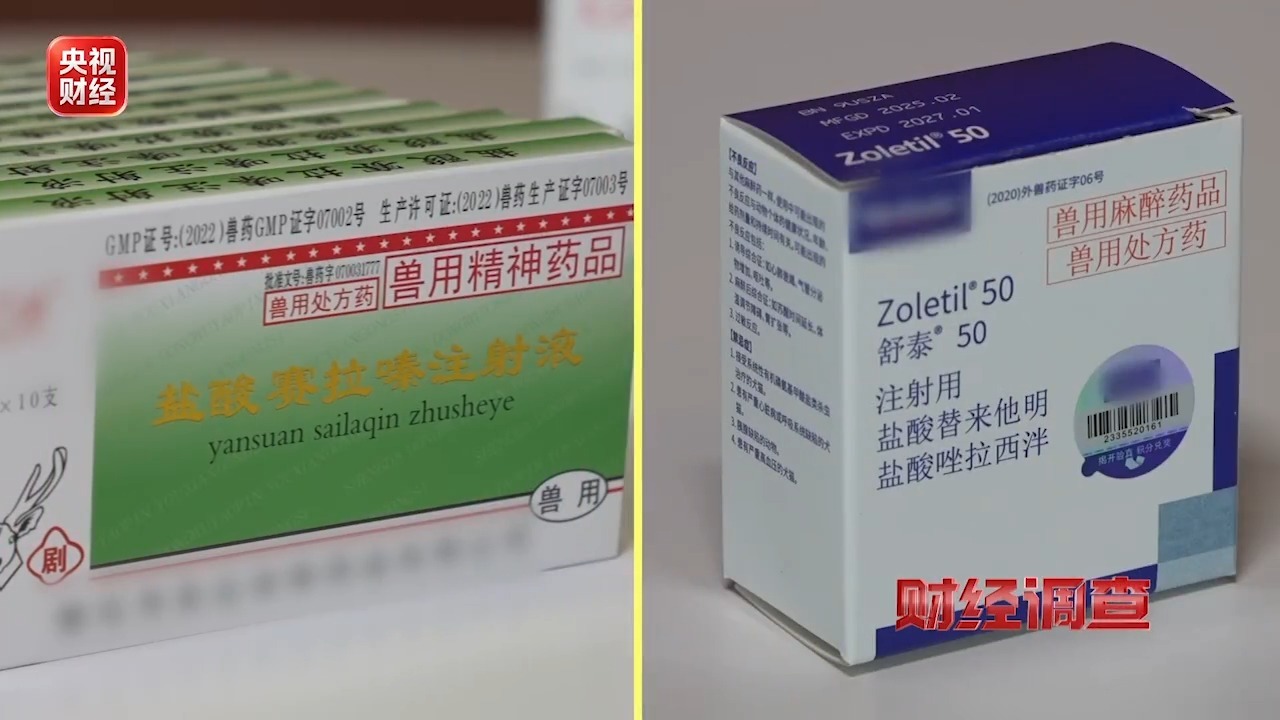 农业农村部、公安部第800号公告明确规定,兽用盐酸替来他明、盐酸唑拉西泮及其制剂产品为兽用麻醉药品,纳入兽用处方药管理,不得网络销售、不得进行广告宣传,严禁以兽用名义取得后供人使用。
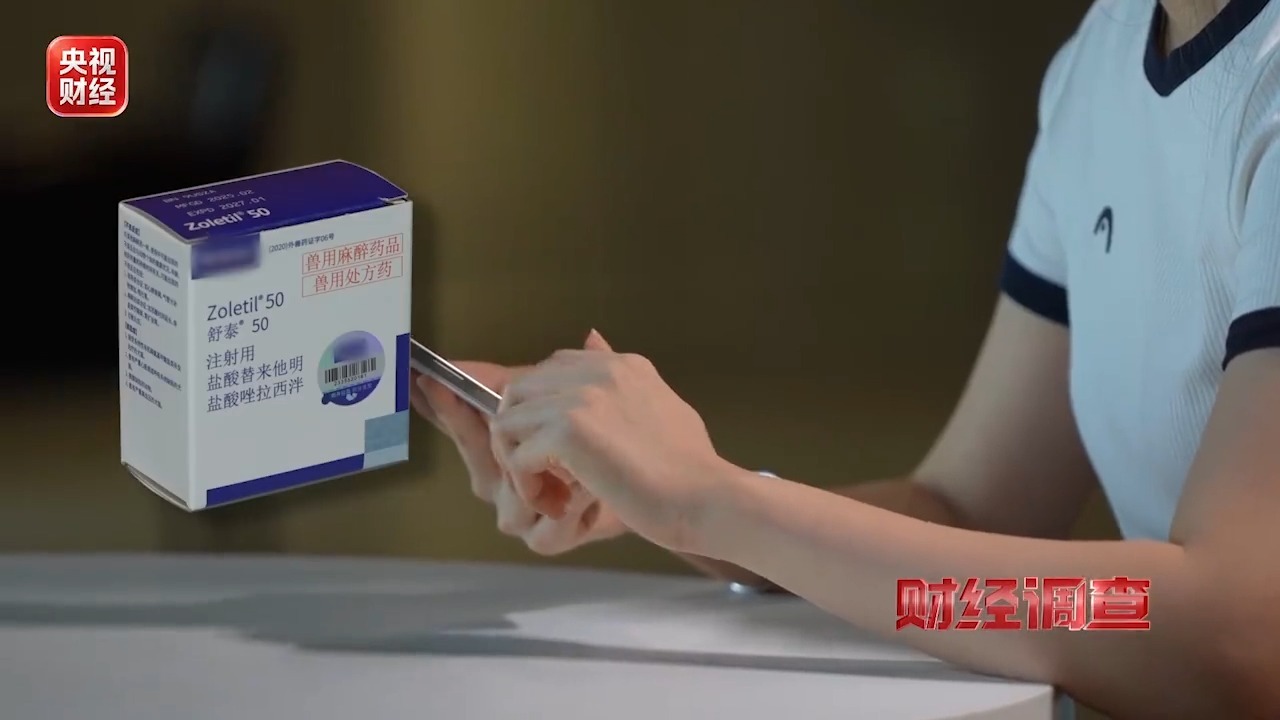 为了牟取暴利,一些不法分子铤而走险。不仅兜售新型毒品提纯教程,更是有人在网络上售卖成品上头电子烟。记者在社交平台上输入“替来他明”进行搜索时,搜索结果中并没有看到售卖广告。但当记者将关键词改为“替来”时,搜索结果与刚才截然不同,首页便是各种关于上头电子烟的分享帖,其中不乏在分享甚至炫耀吸食电子烟的自拍。
 替来他明极易成瘾,吸食含替来他明的电子烟后会产生幻觉及暴力攻击行为,长期吸食严重损害大脑和神经系统,过量吸入可致呼吸骤停猝死。非法生产、贩卖、运输、持有、吸食替来他明,均属于涉毒违法犯罪行为,将严格依照法律法规追究责任。
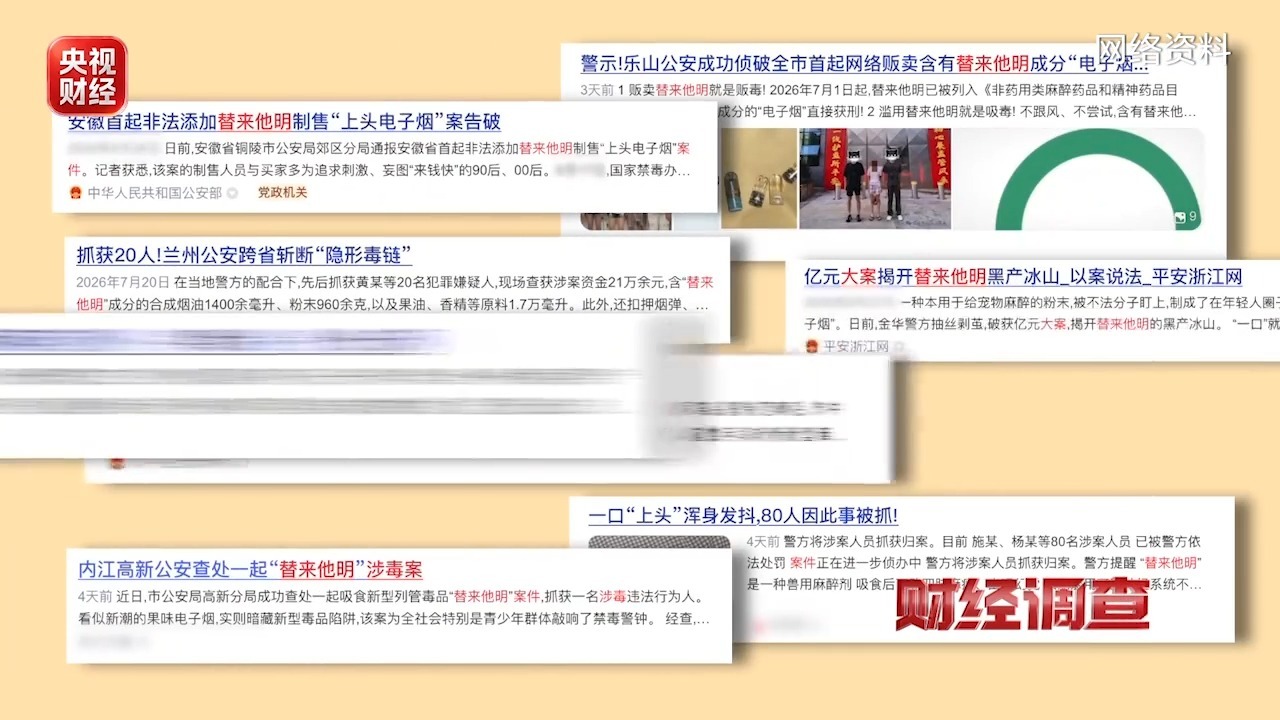 2026年7月以来,各地警方连续破获替来他明涉毒案件。国家毒品问题治理研究中心学术委员会副主任、北京理工大学法学院教授曾粤兴告诉记者,在暴利驱使下出现了把兽药用于人体的新型毒品,这种毒品对人的中枢神经破坏力相当强。一旦染上毒瘾, 对神经的伤害具有不可逆转性。
